
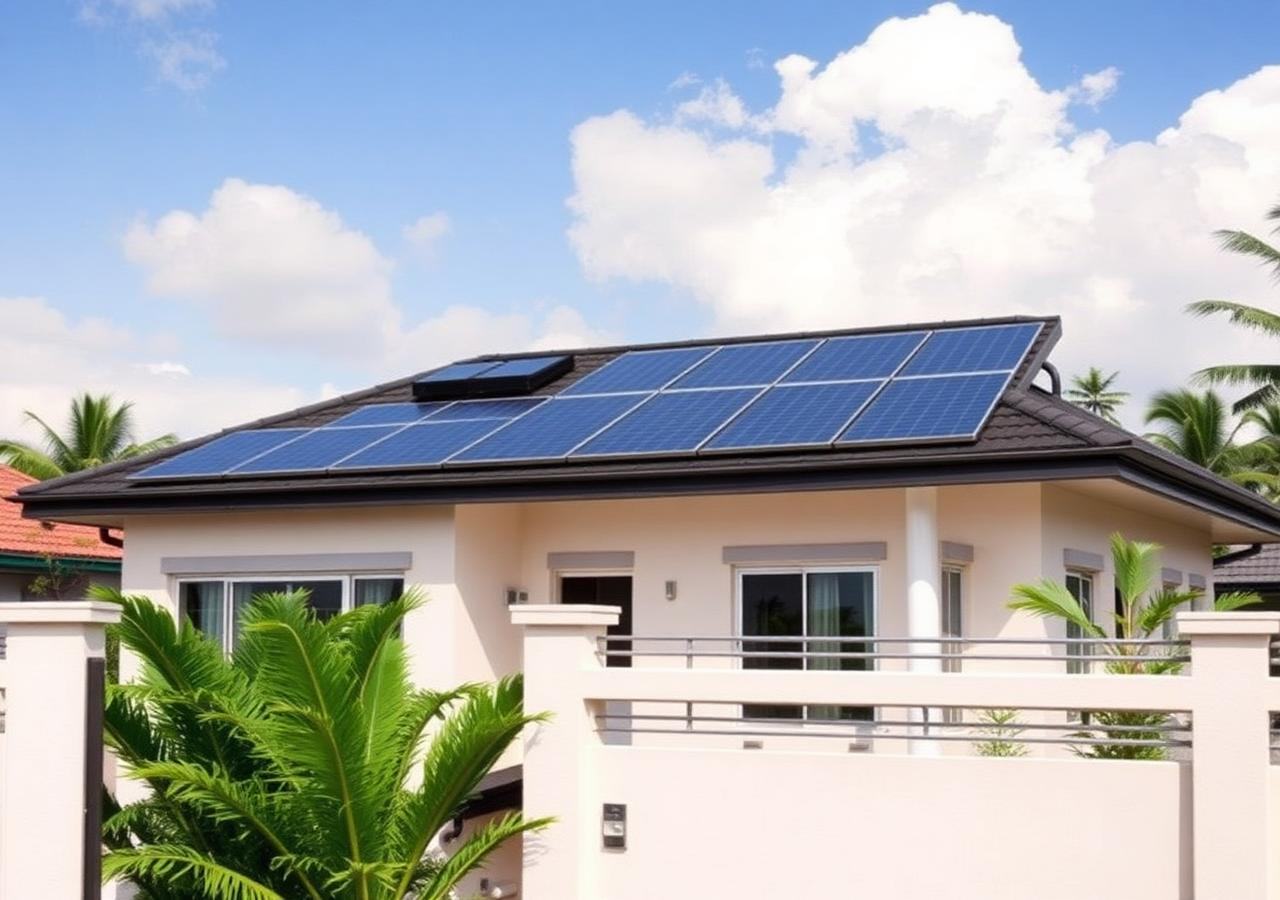
The most common complaint about home solar in Nigeria is not that the panels stopped working. It is that the system does not do what the homeowner expected it to do. Almost always, that gap was created before installation — during sizing.
Start with load, not with budget
A system is sized against the loads it must carry and the hours it must carry them. That means listing appliances, their power draw, and how long each runs in a typical day. Air conditioning, water pumps, and electric cooking change the answer dramatically.
Peak demand and daily energy are different questions
Peak demand determines inverter capacity: everything that could run simultaneously. Daily energy determines panel and battery capacity: how much you consume across 24 hours. A system can be correct on one and wrong on the other.
Sizing is an engineering calculation, not a package selection.
Decide what must never go off
Few homes need everything backed up at all times. Separating essential circuits from discretionary ones often reduces the required system size without reducing comfort where it matters.
Design for the rainy season, not the best day
Generation varies. Storage autonomy and a supporting source — grid or generator — are what turn variable generation into dependable power.
Related reading
Business Energy
The true cost of diesel for Nigerian businesses
Battery Storage
Battery storage, explained without the jargon
Energy Management
Energy monitoring that actually changes decisions
Turn information into a system that works.
Book a free energy assessment with a SolaFlix engineer.