
Harnessing Solar Energy
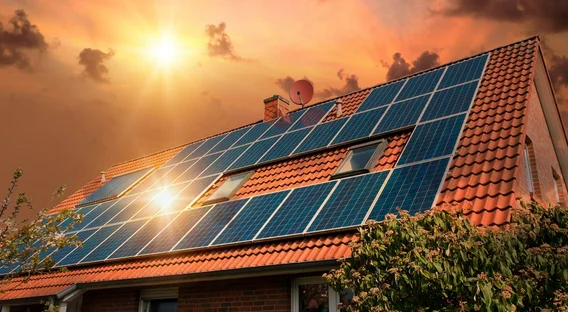
Harnessing Solar Energy: A Comprehensive Overview
Solar energy has emerged as a leading renewable energy source, providing a sustainable way to convert sunlight into electricity. This process is facilitated through photovoltaic (PV) cells, which capture sunlight and transform it into usable electrical energy. With the growing focus on sustainable energy solutions, solar energy systems have become increasingly popular due to their versatility, environmental benefits, and cost-saving potential.

Understanding Solar Energy Systems
Solar energy systems can be installed in various configurations, making them adaptable to different environments and needs. The main installation options include:
- Rooftop Installations: Solar panels are mounted on the rooftops of residential or commercial buildings, utilizing otherwise unused space to generate energy directly at the point of consumption.
- Ground-Mounted Systems: These systems involve solar panels installed on the ground, often in open areas with ample sunlight. Ground-mounted installations can be optimized for space and efficiency, accommodating larger solar arrays.
- Floating Solar Arrays: A relatively new concept, floating solar panels are placed on bodies of water, such as lakes or reservoirs. This method not only conserves land space but also helps reduce water evaporation and algae growth.
Types of Solar Energy Systems
There are three primary types of solar energy systems, each catering to different energy needs and grid interactions:
- Grid-Tied Systems: These systems are connected to the electrical grid, allowing homeowners and businesses to draw energy from the grid when solar production is low and send excess energy back to the grid during peak production times. This setup maximizes energy efficiency and can lead to significant cost savings through net metering.
- Off-Grid Systems: Off-grid solar systems operate independently of the electrical grid, making them ideal for remote areas where grid connection is not feasible. These systems require battery storage to ensure a continuous power supply, especially during periods of low sunlight.
- Hybrid Systems: Combining features of both grid-tied and off-grid systems, hybrid solar systems offer flexibility by being connected to the grid while also incorporating battery storage. This setup allows for energy independence and security during power outages.
Key Components of Solar Energy Systems
The effectiveness of solar energy systems relies on several key components:
- Solar Panels: The primary component of any solar energy system, solar panels (or PV modules) capture sunlight and convert it into electricity.
- Inverters: Inverters are essential for converting the direct current (DC) generated by solar panels into alternating current (AC), which is used in most homes and businesses.
- Solar Charge Controllers: These devices regulate the flow of energy from the solar panels to the batteries in off-grid systems, preventing overcharging and ensuring battery longevity.
- Batteries: Battery storage systems store excess energy generated by the solar panels, providing power during low sunlight periods or power outages.
Conclusion
Solar energy represents a powerful solution for meeting today’s energy demands while promoting environmental sustainability. Its ability to be installed in various configurations—rooftop, ground-mounted, or floating—ensures that solar energy can be harnessed in a wide range of settings. As technology advances and costs continue to decline, the adoption of solar energy systems is expected to grow, paving the way for a more sustainable energy future. By embracing solar energy, we can significantly reduce our carbon footprint, enjoy long-term savings, and achieve greater energy independence.
Understanding Extra-Low Voltage (ELV) Systems
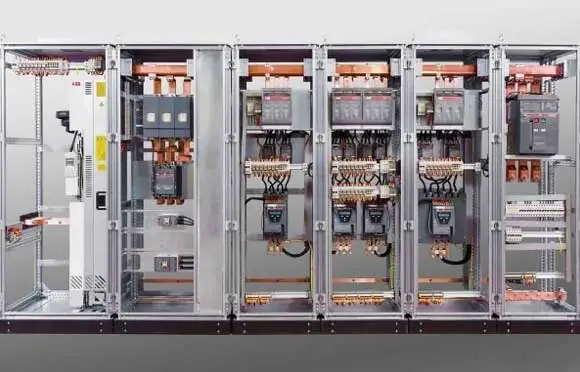
Understanding Extra-Low Voltage (ELV) Systems in Modern Infrastructure
Extra-Low Voltage (ELV) systems play a vital role in modern infrastructure, powering various devices and applications that are essential for both commercial and residential environments. These systems are specifically designed to operate at lower voltage levels, typically below 50 volts AC or 120 volts DC. By using such low voltages, ELV systems offer numerous advantages, including safety, efficiency, flexibility, reliability, and cost-effectiveness. Let’s explore these aspects in more detail to understand why ELV systems have become integral to today’s technology landscape.
What Are ELV Systems?
ELV systems refer to electrical systems and devices that function at significantly lower voltage levels compared to standard power systems. Operating at below 50 volts AC or 120 volts DC, ELV systems are designed to reduce the risks associated with higher voltage levels, such as electrical shocks or fire hazards. These systems are used in various applications where safety, reliability, and minimal energy consumption are prioritized.
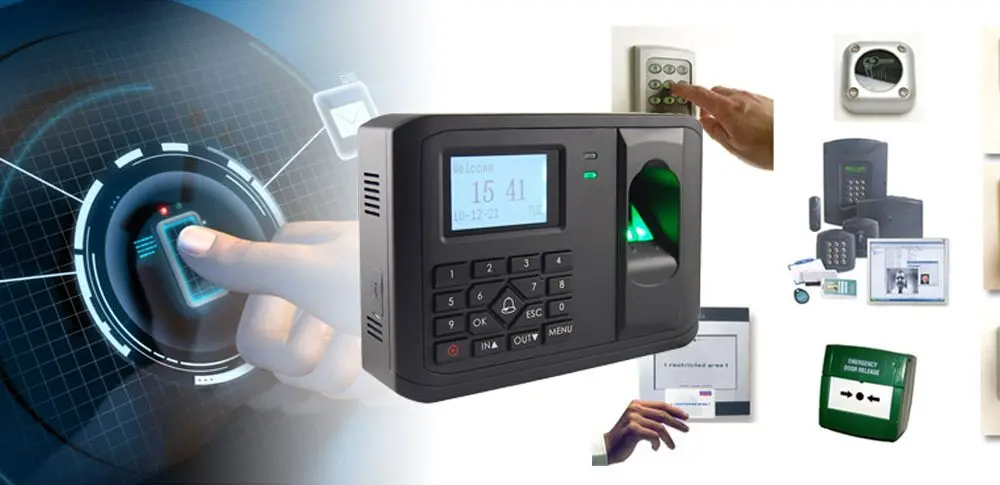
Applications of ELV Systems
ELV systems are commonly found in several areas, including:
- Security and Surveillance Systems: ELV systems are used in CCTV cameras, access control, and intrusion detection systems, ensuring a secure environment without the risks of higher voltage systems.
- Communication Networks: Telecommunications, data cabling, and Wi-Fi systems often rely on ELV power sources, enhancing their safety and reliability while providing essential connectivity.
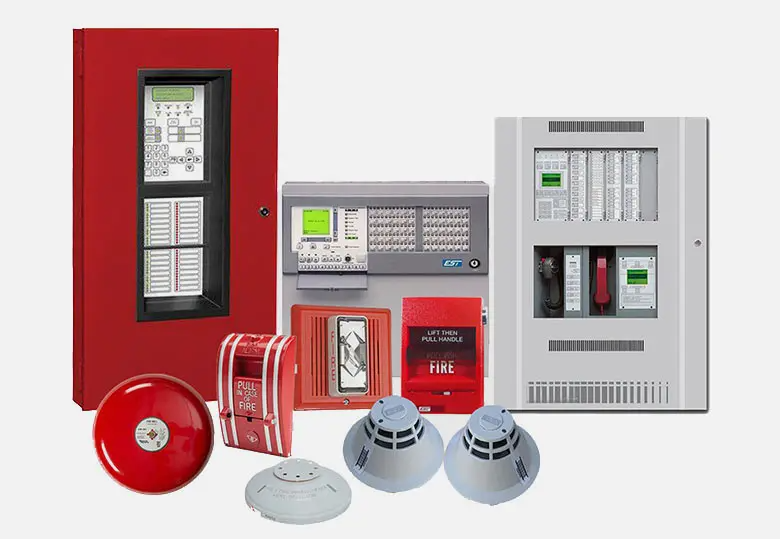
- Fire Alarm Systems: ELV systems power smoke detectors, fire alarms, and emergency lighting, making it easier to install and maintain these life-saving devices while minimizing safety risks.
- Building Management Systems (BMS): ELV systems power sensors, HVAC control systems, and other automation solutions in smart buildings, improving efficiency and monitoring capabilities.
Advantages of ELV Systems
ELV systems offer several benefits that make them ideal for modern infrastructure:
- Safety: Operating at lower voltage levels significantly reduces the risk of electrical shock and fire hazards, making ELV systems suitable for environments where safety is a priority, such as schools, hospitals, and office buildings.
- Energy Efficiency: ELV systems are designed to consume less energy, which results in reduced operational costs. This efficiency makes them an attractive option for businesses and individuals looking to minimize energy consumption and reduce their carbon footprint.
- Flexibility: ELV systems can be easily integrated into various applications, allowing for seamless customization and adaptation in different environments. For instance, in smart buildings, ELV systems can be used to power a wide range of automated systems, offering flexibility in designing and managing building infrastructure.
- Reliability: ELV systems are known for their reliability and low maintenance requirements. Their design and lower energy demands reduce the likelihood of system failures, ensuring continuous operation and stability, especially in critical systems such as surveillance and fire alarms.
- Cost-Effectiveness: The reduced energy consumption and simplified installation process associated with ELV systems result in lower operational and maintenance costs. ELV systems often use smaller and lighter equipment, making them less expensive to install and maintain compared to traditional high-voltage systems.
Ideal Environments for ELV Systems
Given their safety, reliability, and cost benefits, ELV systems are suitable for various environments, including:
- Residential Buildings: ELV systems are used in lighting, home automation, and security systems, providing safety and convenience to homeowners.
- Commercial Buildings: ELV solutions power surveillance systems, BMS, and communication networks, creating efficient and secure work environments.
- Public Facilities: Schools, hospitals, and other public facilities benefit from ELV systems for safety-critical applications like fire alarms and emergency lighting.
- Industrial Environments: ELV systems are used in automation and control systems, enhancing efficiency and safety in manufacturing and production facilities.
Extra-Low Voltage (ELV) systems are a critical component of modern infrastructure, offering safe, efficient, and reliable solutions for various applications. Their low voltage operation minimizes safety risks, reduces energy consumption, and ensures cost-effectiveness, making them a preferred choice for both commercial and residential settings. As technology and smart infrastructure continue to evolve, the importance of ELV systems in enhancing the safety, efficiency, and flexibility of our built environments will only increase.